Plain description first
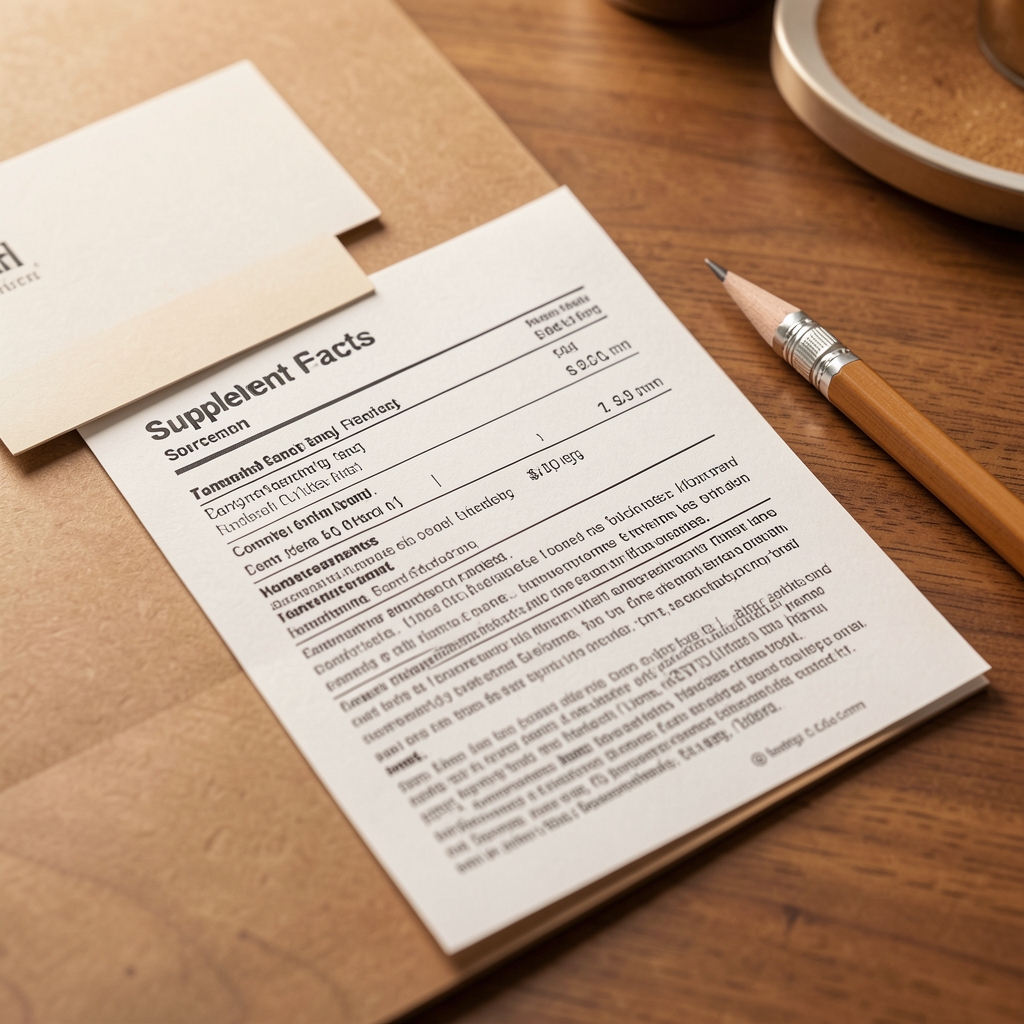
A label's serving size, ingredient order, and storage instructions are described before any general commentary is added.
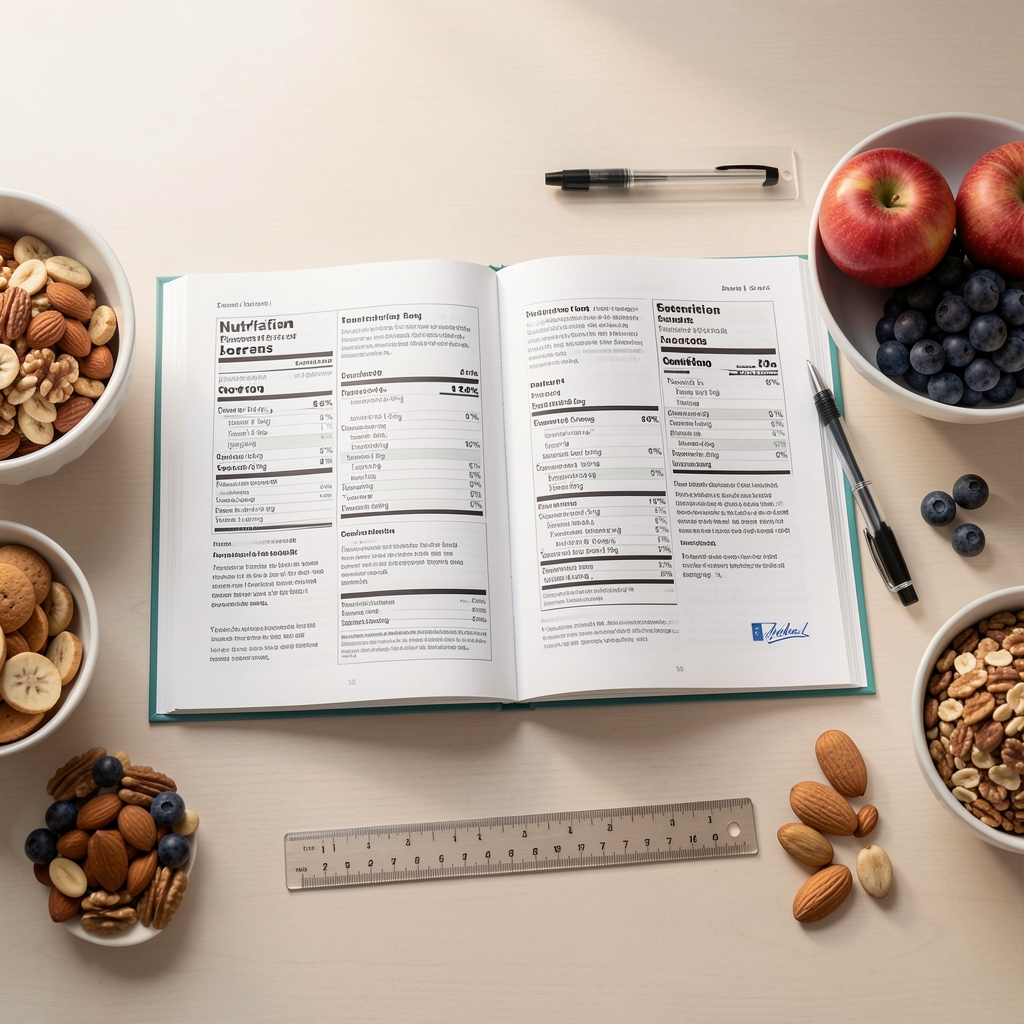
Our nutritional methodology starts with a defined question. A probiotic men Jakarta article may ask about timing, while an elderberry zinc men article may ask how label language describes ingredient pairing. The question is written down before any sources are opened, so the finished article does not drift toward whatever material happens to be easiest to find.
Sources are compared for relevance, date, and clarity. The article then returns to the everyday setting: meals, schedules, food access, and the reader's own record. This return to the everyday setting is deliberate; a note that only summarizes a source without placing it in a Jakarta context would not meet the publication's standard.
Where a subject touches on a specific health condition, the article is scoped narrowly and closes with a note pointing toward a qualified professional. The methodology exists precisely so that boundary is applied consistently rather than left to individual judgment on a case-by-case basis.
The subject is limited to dietary supplement habits and daily nutritional awareness, and any request to widen that scope is declined at the planning stage.
Published nutritional research and independent nutritional sources are identified in plain language, with dates noted so a reader can judge how current the material is.
Ingredient notes are placed beside meals, routines, and local food patterns rather than presented as an isolated ingredient profile.
A second editor checks the final copy for accuracy, proportion, and tone before a publication date is assigned.
A label's serving size, ingredient order, and storage instructions are described before any general commentary is added.
Jakarta meal patterns, market ingredients, and daily schedules are treated as central material, not background color.
Every factual claim traces back to a named, dated source that a reader could look up independently.
| Material | Editorial use | Typical review question |
|---|---|---|
| Ingredient label | Serving and composition notes | Does the description match the printed label exactly? |
| Published research | Background and terminology | Is the source dated and independently verifiable? |
| Reader journal | Personal routine context | Is the routine description realistic for a Jakarta schedule? |
| Editorial style guide | Tone, structure, and vocabulary checks | Does the draft avoid promotional or health claim language? |
"A methodology only matters if it is visible in the finished article. If a reader cannot tell how a claim was checked, the claim has not really been checked." — The Editorial Desk, Drevak Journal
This methodology is reviewed annually and updated whenever the editorial desk changes its sourcing practices. The current version was confirmed in 2026 and applies to every article published under the Drevak Journal name, including the three featured articles currently on the site.